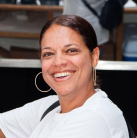
Carla Soto
Celebrating the “International Women’s Month”, I wish to enhace those special women who, due to their imaginative, strong, creative and fighting character, have always stood out and have changed the course of our history.
There are many women who have not only influenced our culture, but have crossed the border and been recognized internationally for their scientific, artistic and human quality. We would need many pages and days to mention them all.
We are a continent united by our language, ethis, values and idiosyncrasy. Today we want to start with four of them, recognized in the world of Science.
Porque nosotras somos más que sol, playa, ritmos y sabor.
Andrea Gamarnik. Argentina, October 5, 1964
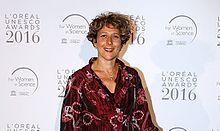
Biochemist graduated from the University of Buenos Aires, with a PhD in Biotechnology in the United States. She is a virologist known for her extensive and advanced research in the study of HIV, Hepatitis B and especially dengue. Thanks to her studies on this virus, it was possible to understand the transmission wich happens between mosquitoes to humans. She continues to work on developing the vaccine.
Hermelinda Urvina. Ecuador, Sep 26 1905 – Toronto, Sep 20 2008.
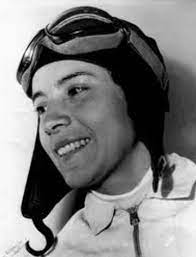
She was the first Ecuadorian and South American woman to obtain an aviation pilot’s license, by the aeronautical authority of the United States. She was part of the Ninety-Nines (an organization of Women Aviators created by Amelia Earhart. In 136 she flew from New York to Montreal. She later graduated in Ecuador and was able to make flights to transport passengers and air mail throughout the continent. She also participated in an aerial carnival that united Miami with Cuba.
Helia Bravo Hollis. Mexico, Sep 30, 1901 – Sep 26, 2001.
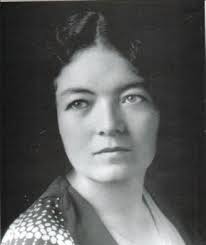
Scientist and botanist with the titles of Emeritus Researcher and honorary doctorate from UNAM. In 1927, she became the first certified biologist in Mexico and two years later she was in charge of the herbarium at the Institute of Biology. Almost his entire scientific career was developed at the Institute of Biology of the National Autonomous University of Mexico. It was then that he discovered his vocation in the study of Mexican cactaceous plants, such as cacti, nopales, and chollas.
Amalia Dutra. Uruguay, Jan 4 1957.
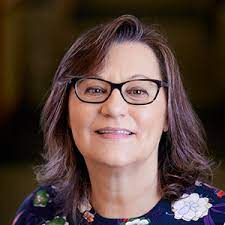
She is a genetic biologist known for being a membre of the team that mapped the human genome. Her studies contributed understanding and curing diseases of genetic origin, creating new and effective tests, diagnoses, medicines and treatments.